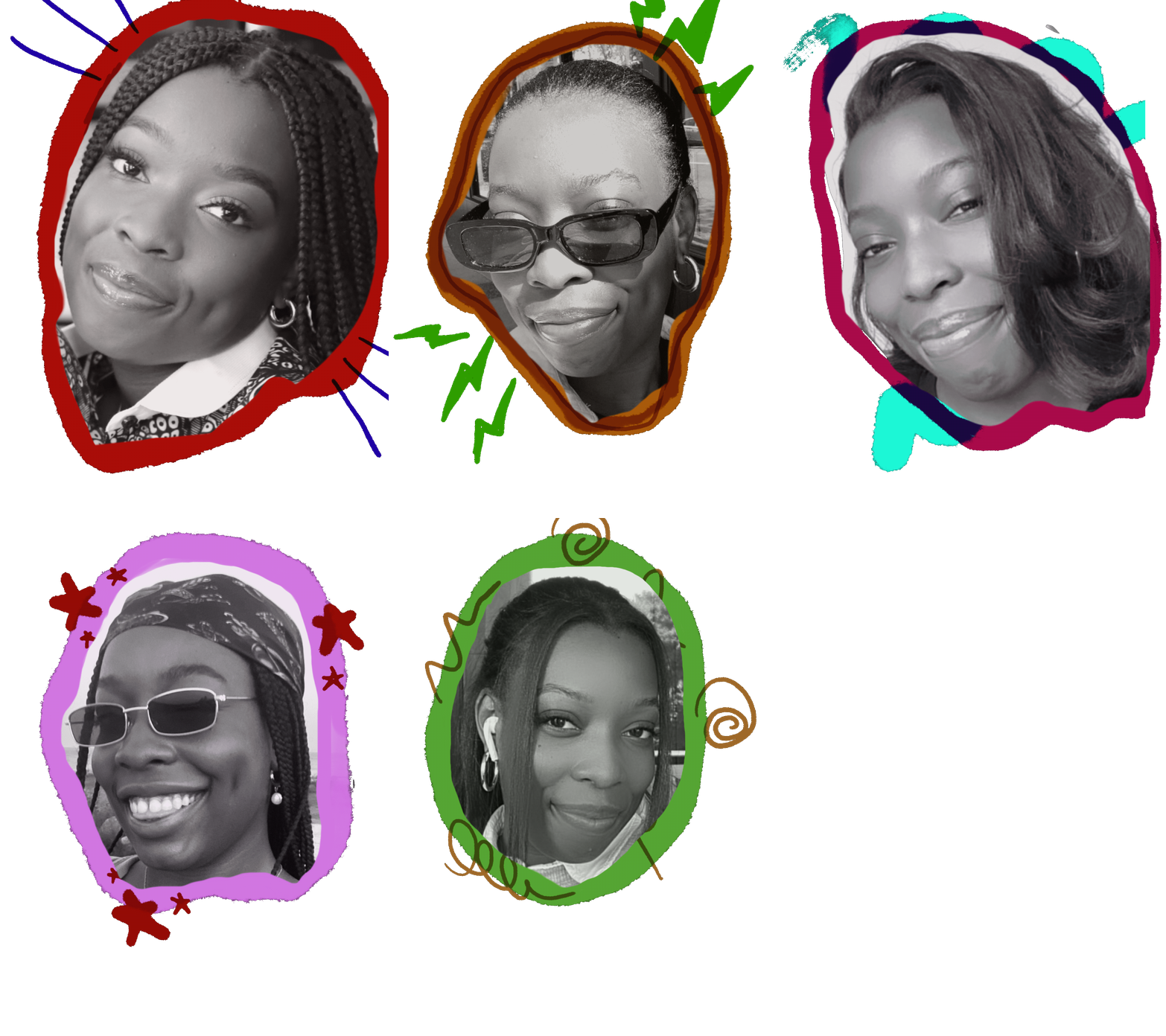
I'm Oyinda Lagunju, but you can call me
Oyinda for short
I've also been called...
Art director,
copywriter,
illustrator,
content manager,
video creator,
& more.
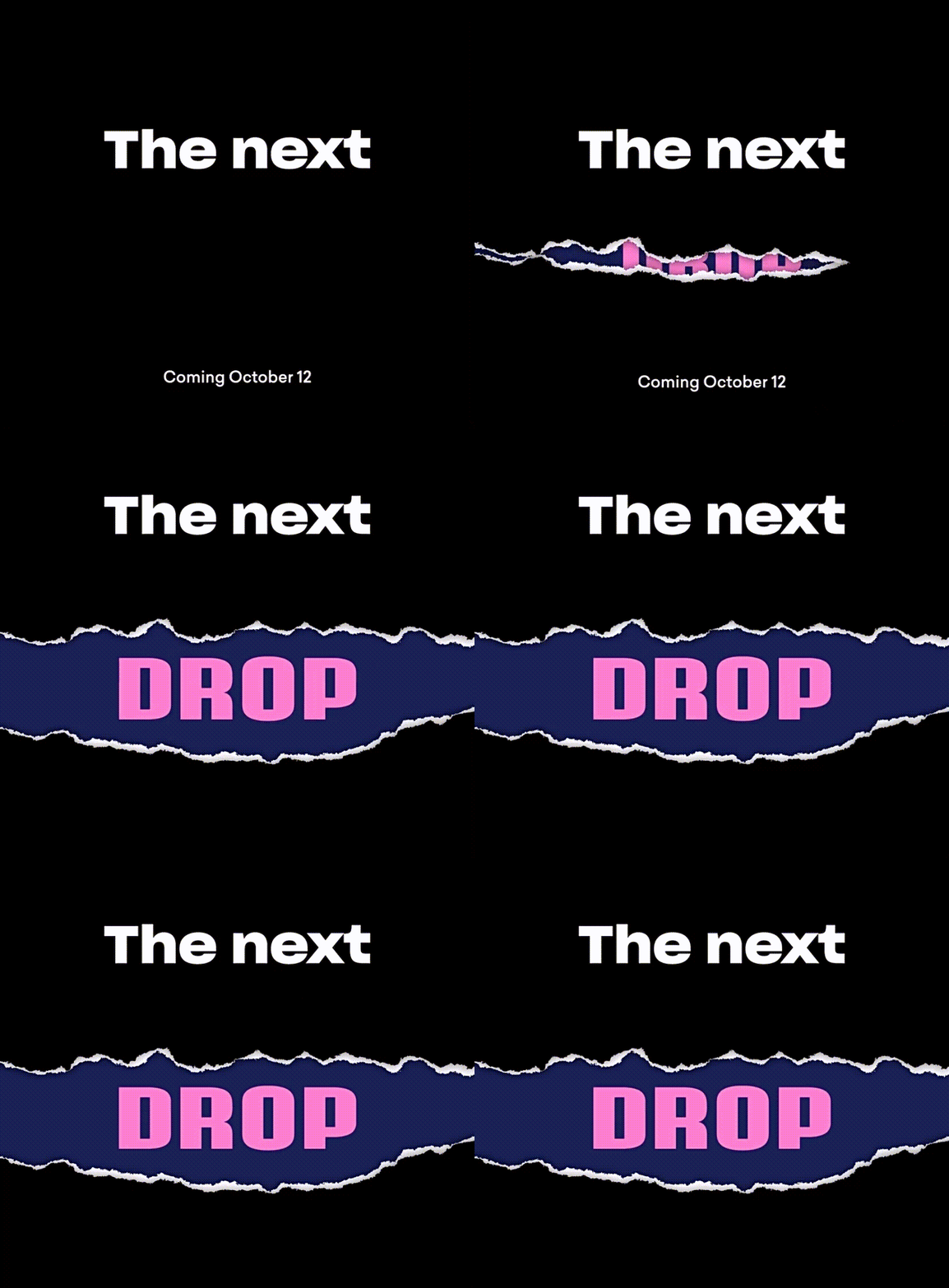
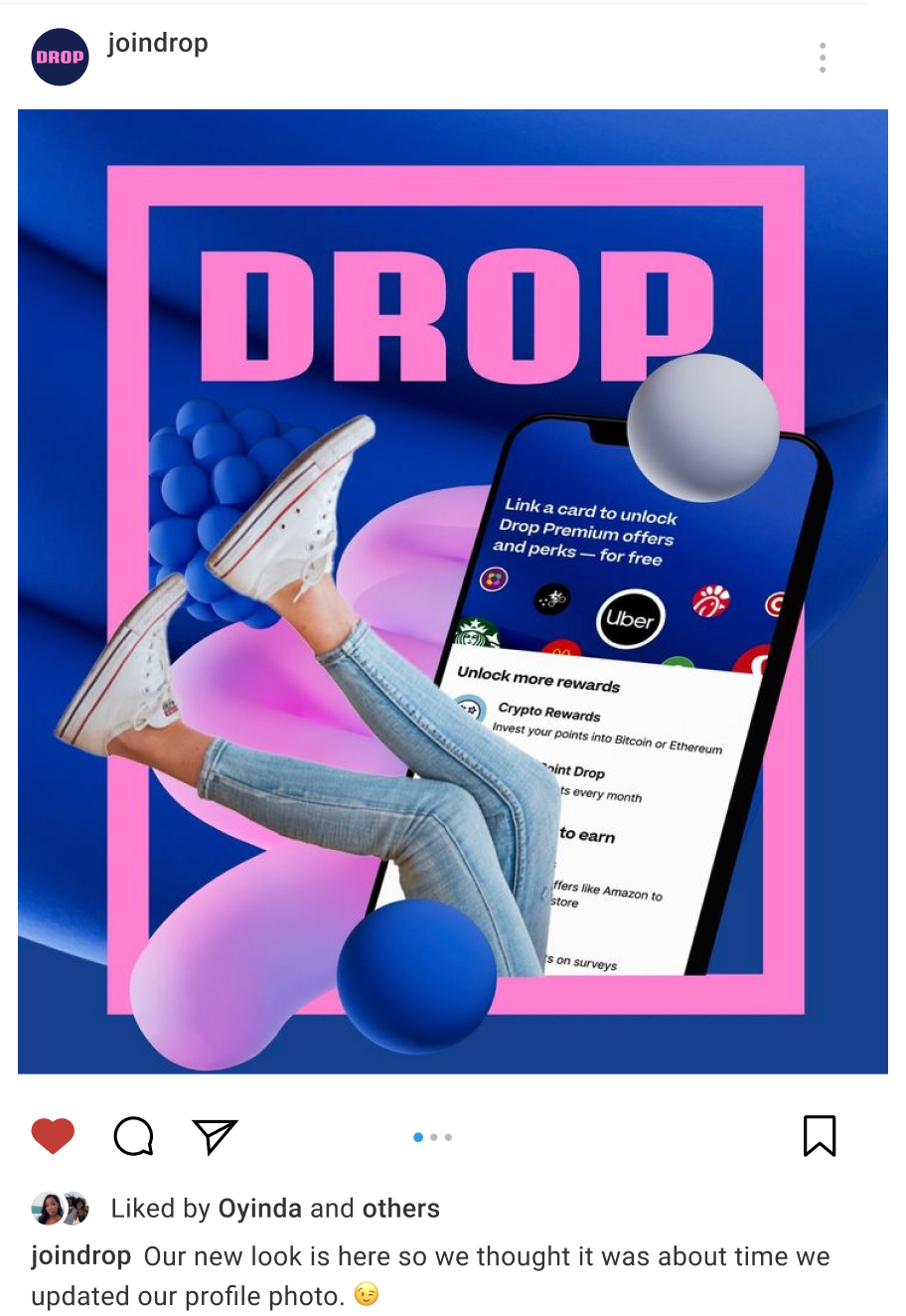
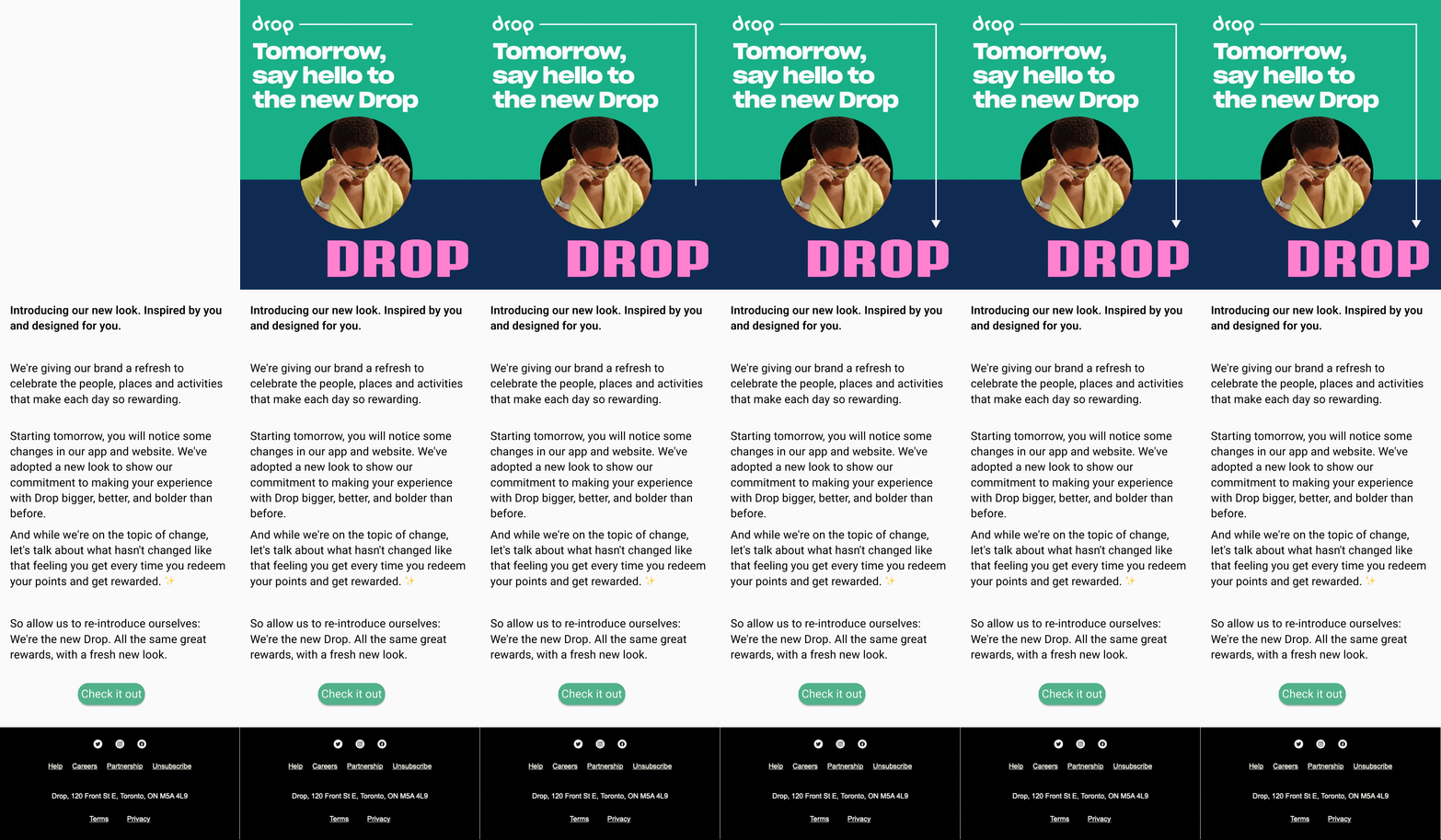
Drop was about to turn eight and ready to leave its start-up days behind. As Drop's profile grew, so did the competition in its field. So we decided to take a step back and re-examine our brand from a fresh perspective. We wanted people to know who we were—and what we did—so we decided to try something different: A rebrand strategy that would tell people about ourselves in a way that would help them remember.
We took a step back, looked at the big picture and made some bold changes to our branding. We wanted our new look to accurately represent who we are as a company so we dove into this process with gusto. By realigning our messaging, updating our imagery and creating a cohesive look and feel that was true to our brand, we increased brand recognition, strengthened customer loyalty and ultimately drove business success.
.png)

The holidays are undoubtedly the busiest time of year. With so many brands vying for attention during the holidays, we needed to create a campaign that not only gets noticed but also provides an engaging experience for consumers while managing to stay true to our brand.
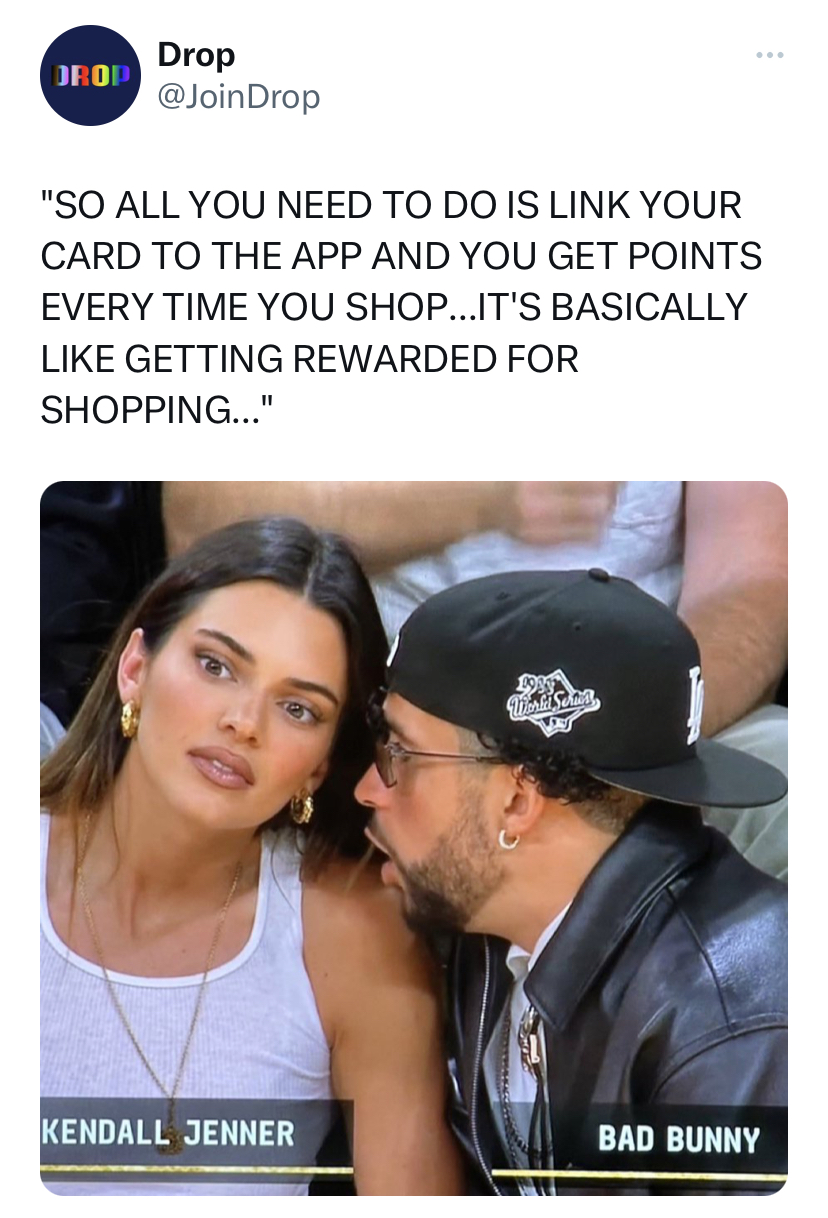
Drop's business model is based on rewarding members with gift cards for their shopping, so we decided to embody this value prop in an authentic way: By giving away gift cards on Instagram at the same time every day for 25 days. The result? Our Instagram engagement and follower count skyrocketed during this campaign, and so did the number of cards linked to the Drop app.
.png)
.png)
.png)
Every week, users have to come into the app to activate their card-linked offers so they can seamlessly score points while they shop with a linked card. But we noticed that there were hardly any users coming in on Wednesday--the day when they had to activate their offers.
We wanted to create a habit for users to go into the app every Wednesday. So we gave them a reason—a chance to win cash every week. As we increased the prize pool and announced new winners each week, we saw that users began activating their offers more frequently.
.gif)
.png)
.png)
.png)
.png)
From Calm and Headspace to FitBit, the 'mindful' space has become crowded. With this new popularity comes skepticism. So our goal was to dispel some of that skepticism and help a new audience embrace the idea of mindfulness.
During the pandemic, we noticed a spike in interest in meditation and mindfulness. We tapped into the surrounding conversation around stress at work by creating a podcast hosted by Connor Franta—a popular YouTube star—on the topic of burnout. We also focused on burnout in the healthcare industry and provided resources to frontline workers and invited them to speak on how mindfulness has benefited them. This helped Mindful gain a science-backed angle and distinguished it from its competitors, growing the magazine's subscriber count along the way.
.png)
.png)
.png)


I'm a writer with a T-shaped skill set that includes in-house, editorial and ample life experience. With B2B and B2C experience, my writing is adaptable enough to fit just about any assignment, but also witty and engaging enough to stand out.
(I also think I'm pretty funny.)
After writing copy for other people's designs, I wanted to try designing something entirely by myself. So I learned how to use Figma and Webflow, and built this site from scratch. It was a lot of fun! I'd like to keep working in this space and see how it evolves over time.
On the go?
download my resume.